
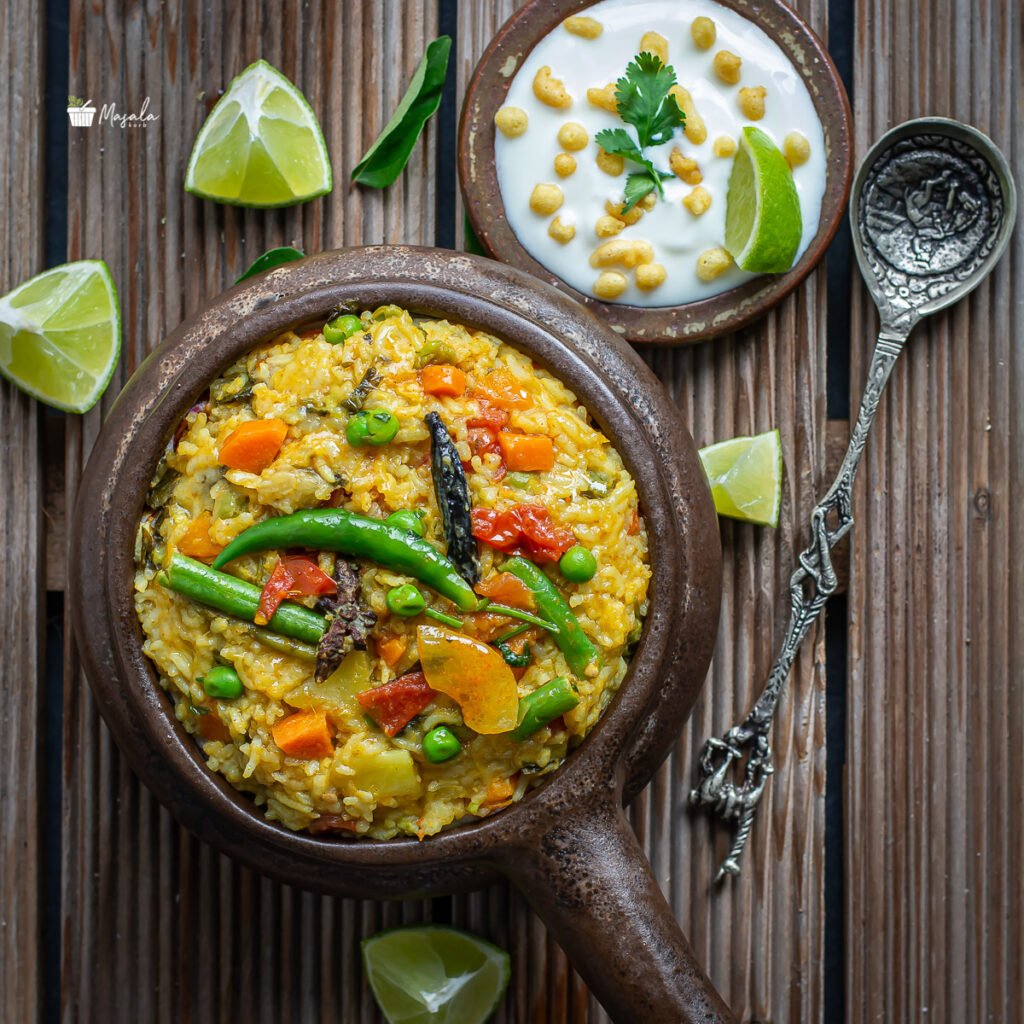
Khichdi is one of India’s most comforting dishes, made with rice, lentils, mild spices, and a little ghee. Soft, warm, and easy to digest, it is a popular choice for everyday meals, rainy evenings, and days when you want something nourishing without spending hours in the kitchen.
Although simple in its ingredients, khichdi is wonderfully versatile. You can prepare a basic rice-and-dal version, add vegetables for extra nutrition, or adjust the spices to suit your taste. This easy khichdi recipe is ideal for beginners and requires just one pot or pressure cooker.
What Is Khichdi?
Khichdi is a traditional Indian dish made by cooking rice and lentils together until they become soft and creamy. Different regions have their own variations, with ingredients and textures ranging from lightly seasoned, porridge-like preparations to spicier versions served with pickles, curd, or papad.
The combination of rice and lentils makes khichdi a satisfying meal, providing carbohydrates and plant-based protein in one simple preparation.
Khichdi Recipe at a Glance
-
Preparation time: 10 minutes
-
Cooking time: 20 minutes
-
Total time: 30 minutes
-
Servings: 2–3
-
Difficulty: Easy
-
Cooking method: Pressure cooking or stovetop
Ingredients for Khichdi
-
½ cup rice
-
½ cup yellow moong dal (split yellow mung beans)
-
1 small onion, finely chopped (optional)
-
1 small tomato, chopped (optional)
-
1 teaspoon ginger, finely chopped or grated
-
½ teaspoon cumin seeds
-
¼ teaspoon turmeric powder
-
1 tablespoon ghee or oil
-
4 cups water, plus more if needed
-
Salt to taste
-
1 green chilli, slit (optional)
-
1 tablespoon chopped coriander leaves for garnish (optional)
Optional vegetables: Add ½ cup of chopped carrots, peas, potatoes, or beans to make vegetable khichdi.
How to Make Khichdi
Step 1: Wash the Rice and Dal
Combine the rice and moong dal in a bowl. Rinse them thoroughly two or three times until the water becomes clearer. Drain and set aside.
Step 2: Prepare the Tempering
Heat ghee or oil in a pressure cooker over medium heat. Add the cumin seeds and allow them to sizzle.
Add the ginger and green chilli, if using, and sauté briefly. If you prefer a more flavourful khichdi, add the chopped onion and cook until softened. Stir in the tomato and cook for another minute.
Step 3: Add the Spices
Add the turmeric powder and salt. Stir well so the spices coat the ingredients evenly.
If you are making vegetable khichdi, add the chopped vegetables at this stage and sauté for two minutes.
Step 4: Add the Rice, Dal, and Water
Add the washed rice and moong dal to the cooker. Stir for a minute, then pour in four cups of water.
Mix everything thoroughly and check the seasoning. The mixture should be fairly watery before cooking because the rice and lentils will absorb the liquid.
Step 5: Pressure Cook
Close the pressure cooker and cook over medium heat for approximately 3–4 whistles, depending on your cooker and heat level. Allow the pressure to release naturally before opening the lid.
Cooking times vary by cooker, so check that the rice and lentils are completely soft. If using an electric pressure cooker, cook on high pressure for approximately 8–10 minutes, followed by a natural pressure release.
Step 6: Adjust the Consistency and Serve
Open the cooker and stir the khichdi well. If it is too thick, add a little hot water and simmer until you achieve your preferred consistency.
Finish with a spoonful of ghee and chopped coriander leaves. Serve hot.
Tips for Making Perfect Khichdi
Choose the right lentils. Yellow moong dal is ideal for a mild, creamy khichdi. Other lentils can be used, but they may change the flavour and cooking time.
Adjust the water to your preference. Use less water for a firmer texture or more for a soft, porridge-like consistency. Khichdi also thickens as it rests.
Don’t skip the ghee if you enjoy its flavour. A small spoonful added just before serving gives the dish a richer aroma.
Let the pressure release naturally. This allows the rice and lentils to finish cooking gently and helps prevent excess splattering when opening the cooker.
Make it more nutritious. Carrots, peas, spinach, and other vegetables can be added without making the recipe complicated.
What to Serve with Khichdi
Khichdi tastes delicious on its own, but a few simple accompaniments can make it a more complete and satisfying meal.
-
Curd: Adds a cool, creamy contrast.
-
Pickle: Provides a tangy, spicy kick.
-
Papad: Adds a crisp texture to the soft khichdi.
-
Roasted vegetables: A good option when you want extra variety.
-
Ghee: Drizzle a little over the top just before serving.
Common Khichdi Mistakes to Avoid
Using too little water: This can leave the lentils undercooked or make the khichdi too dry. Start with the recommended amount and adjust after cooking.
Overdoing the spices: Khichdi is known for its gentle, comforting flavour. Too many strong spices can overpower the rice and lentils.
Opening the cooker too early: Always ensure the pressure has been released safely before opening it.
Leaving it unattended after adding water: Stir the ingredients before closing the cooker to help distribute the spices and prevent ingredients from settling unevenly.
Frequently Asked Questions
Is khichdi healthy?
Khichdi can be part of a balanced diet. Rice supplies carbohydrates, while lentils provide plant-based protein and fibre. Adding vegetables increases its variety of nutrients. Its overall nutritional value depends on the ingredients and portion size.
Can I make khichdi without a pressure cooker?
Yes. Cook the rice, lentils, spices, and water in a heavy-bottomed pot. Bring the mixture to a boil, then reduce the heat, cover, and simmer until everything is soft, stirring occasionally. Add more hot water if necessary. This usually takes around 30–40 minutes.
Which dal is best for khichdi?
Yellow moong dal is a popular choice because it cooks relatively quickly and creates a soft texture. Split green moong or other lentils can also be used, although cooking times may differ.
Can I store leftover khichdi?
Allow the khichdi to cool promptly and refrigerate it in an airtight container within two hours of cooking. Consume it within 3–4 days and reheat thoroughly until steaming hot. Add water while reheating to restore its consistency.
Why does my khichdi become thick after cooking?
Rice and lentils continue absorbing moisture as they rest. Stir in a little hot water when reheating or just before serving to make it softer.
Final Thoughts
Khichdi proves that a satisfying home-cooked meal doesn’t need complicated ingredients or elaborate techniques. With rice, lentils, a few spices, and the right cooking method, you can prepare a warm, flavourful dish in about 30 minutes.
Whether you enjoy it plain with ghee or loaded with vegetables, this simple khichdi recipe is an excellent addition to your regular meal rotation. Once you’ve mastered the basic version, experiment with different vegetables and seasonings to find your favourite combination.
Make Cooking Easier with the Right Kitchen Gear
A good khichdi starts with simple ingredients, but the right kitchen equipment can make preparation easier and more consistent. From reliable pressure cookers that cook rice and lentils evenly to sturdy cookware and essential kitchen tools, choosing the right equipment can improve your everyday cooking experience.
Visit our Cooking Gear Guides page to explore practical buying advice, compare kitchen essentials, and find equipment suited to your cooking style. Whether you’re upgrading your pressure cooker or building a better-equipped kitchen, our guides can help you make a more informed choice.