
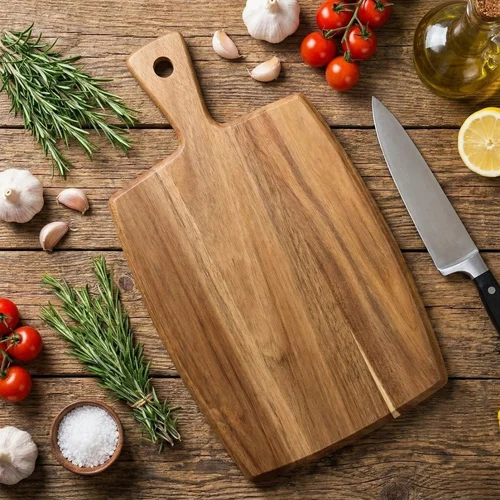
A good cutting board is one of the most important tools in any kitchen. Whether you’re chopping vegetables, slicing meat, mincing herbs, or preparing ingredients for a weekend feast, the right board makes cooking more comfortable, organized, and hygienic.
But which material should you choose? Wooden cutting boards are known for their durability and timeless appearance, plastic boards are practical and easy to clean, and bamboo boards offer a lightweight alternative with a natural finish.
Each has advantages and disadvantages. This guide compares wood, plastic, and bamboo cutting boards to help you choose the best option for your kitchen.
Why Your Cutting Board Matters
Your cutting board does more than protect your countertop. It provides a stable surface for knife work, helps keep ingredients organized, and can influence how comfortable your knives are to use.
The right board should be durable, easy to clean, resistant to excessive wear, and appropriately sized for your cooking habits. Material matters, but so do thickness, surface condition, maintenance, and proper food-handling practices.
1. Wooden Cutting Boards: Best for Everyday Cooking
Wooden cutting boards are a favorite among home cooks and professional chefs. Common options include maple, walnut, cherry, and teak, each offering a different appearance, hardness, and maintenance profile.
Advantages of Wooden Cutting Boards
-
Knife-friendly surface: Quality wood boards generally provide a comfortable cutting surface that is less harsh on knife edges than many hard materials.
-
Long-lasting construction: A well-made hardwood board can last for years with appropriate care.
-
Attractive appearance: Wood adds a warm, classic look to your kitchen and can double as a serving board.
-
Repairability: Some solid-wood boards can be sanded and refinished when they develop significant surface wear.
Disadvantages of Wooden Cutting Boards
-
More maintenance: Wood generally needs hand-washing and thorough drying. Periodic food-safe mineral oil treatment helps prevent drying and cracking.
-
Not suitable for dishwashers: Heat and prolonged moisture can warp or split many wooden boards.
-
Higher initial cost: Quality hardwood boards can be more expensive than basic plastic alternatives.
-
Heavier construction: Thick butcher-block-style boards can be difficult to move and store.
Who Should Buy a Wooden Cutting Board?
Choose wood if you cook frequently, value a durable kitchen tool, and don’t mind maintaining it. A medium-sized hardwood board is an excellent everyday option for chopping vegetables, preparing herbs, slicing bread, and cutting other ready-to-eat foods.
For raw meat and poultry, use a separate board and follow appropriate cleaning and sanitizing practices.
2. Plastic Cutting Boards: Best for Convenience and Food Safety Routines
Plastic cutting boards are popular because they’re generally affordable, lightweight, and easy to clean. Many are made from polyethylene or polypropylene.
They’re particularly useful in busy kitchens where different boards are needed for different ingredients.
Advantages of Plastic Cutting Boards
-
Easy to clean: Many plastic boards are dishwasher-safe, although you should check the manufacturer’s instructions.
-
Affordable: You can buy multiple boards without spending much.
-
Lightweight: They’re easy to move, wash, and store.
-
Convenient for raw ingredients: Separate plastic boards can be assigned to raw meat, poultry, seafood, and produce.
-
Practical for busy kitchens: Color-coded boards make it easier to distinguish between ingredients and reduce the risk of cross-contamination.
Disadvantages of Plastic Cutting Boards
-
Knife grooves develop over time: Repeated chopping can leave deep cuts where food residue and microorganisms may remain.
-
Not always durable: Thin boards can bend, warp, or become unstable with use.
-
Less attractive for serving: Plastic boards generally lack the appearance of quality wood.
-
Replacement is necessary: Boards with deep grooves, cracks, or persistent damage should be replaced.
Who Should Buy a Plastic Cutting Board?
Plastic is a strong choice for cooks who prioritize convenience, easy cleaning, and straightforward food-preparation routines. It’s particularly practical when you need separate boards for raw proteins and ready-to-eat ingredients.
A thicker, non-slip board is generally more comfortable than a very thin, flexible one. If your board is lightweight, place a damp towel underneath it to help keep it stable.
3. Bamboo Cutting Boards: Best for a Lightweight, Natural Alternative
Bamboo cutting boards resemble wooden boards but are made from processed bamboo strips bonded together. Bamboo grows quickly and is often marketed as a more sustainable material, although the environmental impact depends on harvesting, processing, adhesives, and transportation.
Advantages of Bamboo Cutting Boards
-
Lightweight: Many bamboo boards are easier to handle than thick hardwood boards.
-
Attractive appearance: Bamboo offers a clean, natural look that suits modern kitchens.
-
Often affordable: Bamboo boards can provide a good balance between appearance and price.
-
Renewable raw material: Bamboo can regenerate relatively quickly, although this alone doesn’t guarantee that a particular product is environmentally preferable.
-
Suitable for everyday preparation: A quality bamboo board works well for vegetables, fruit, bread, and other common ingredients.
Disadvantages of Bamboo Cutting Boards
-
Can feel harder under a knife: Bamboo boards may be harder on knife edges than some softer hardwood alternatives, depending on their construction.
-
Requires careful cleaning: Most bamboo boards should be hand-washed and dried promptly.
-
Potential for cracking or splitting: Prolonged soaking, dishwasher use, and poor maintenance can damage the board.
-
Construction varies: The quality of adhesives, finish, and bamboo strips differs between manufacturers.
Who Should Buy a Bamboo Cutting Board?
Bamboo is worth considering if you want a natural-looking, relatively lightweight board for everyday kitchen tasks. Look for a well-constructed board with a smooth finish and clear care instructions.
If you regularly use expensive knives, compare the surface hardness and construction before buying.
Wood vs Plastic vs Bamboo: Quick Comparison
| Feature | Wood | Plastic | Bamboo |
|---|---|---|---|
| Knife friendliness | Generally very good | Varies by material | Can be relatively hard |
| Cleaning | Usually hand-wash | Often dishwasher-safe | Usually hand-wash |
| Maintenance | Moderate | Low | Moderate |
| Durability | High with proper care | Depends on quality and wear | Good with proper care |
| Weight | Medium to heavy | Light | Light to medium |
| Price | Medium to high | Low to medium | Low to medium |
| Best use | Everyday chopping | Convenient food prep | Everyday light to moderate prep |
The verdict: Wood is an excellent choice for a durable everyday board, plastic is highly practical for easy cleaning and separating ingredients, and bamboo is a useful alternative if you prefer a lightweight natural material.
What About Hygiene and Food Safety?
The most important factor isn’t simply whether a cutting board is made from wood, plastic, or bamboo. It’s whether the board is in good condition and cleaned properly.
Follow these basic practices:
-
Separate raw and ready-to-eat foods. Use different boards for raw meat, poultry, and seafood versus fruit, vegetables, bread, and cooked foods.
-
Wash after every use. Clean the board with hot, soapy water and rinse thoroughly.
-
Sanitize when appropriate. After preparing raw animal products, use a food-safe sanitizing method suitable for the board material and follow the product’s directions.
-
Dry thoroughly. Allow boards to air-dry completely before storing them.
-
Replace damaged boards. Deep grooves, cracks, splinters, and surfaces that are difficult to clean are signs that a board may need replacing.
-
Never assume wood is automatically unsafe. Properly maintained wooden boards can be used safely, just as plastic boards require appropriate cleaning and replacement when damaged.
A dishwasher-safe plastic board can be convenient, but not every plastic board is dishwasher-safe. Likewise, wood and bamboo boards should generally not be soaked or put in a dishwasher unless the manufacturer explicitly permits it.
What Size Cutting Board Should You Buy?
Size can make as much difference as material.
-
Small boards (approximately 20 × 15 cm): Suitable for cutting a lemon, preparing garnishes, or chopping a small amount of herbs.
-
Medium boards (approximately 30 × 23 cm): A versatile choice for everyday home cooking.
-
Large boards (approximately 40 × 30 cm or larger): Useful for batch cooking, handling large vegetables, and preparing several ingredients at once.
Measurements are approximate, and available sizes vary by manufacturer.
For most kitchens, a medium or large board with a non-slip base or a stable work surface is a practical starting point. If you cook frequently, owning two or three boards is often more useful than relying on one board for every ingredient.
What to Look for Before Buying a Cutting Board
Before purchasing, consider these features:
1. Thickness and stability: A board that moves while you’re chopping is inconvenient and potentially dangerous. Choose a stable design or secure it with a damp towel underneath.
2. Surface quality: Look for a smooth, even surface without cracks, splinters, or rough patches.
3. Maintenance requirements: Decide whether you’re comfortable hand-washing and oiling wood or bamboo, or whether dishwasher convenience is more important.
4. Juice grooves: Grooves around the edge can help collect liquid from juicy ingredients, although they reduce the amount of usable cutting surface.
5. Reversible design: A reversible board can provide two usable surfaces, making it easier to separate different food-preparation tasks.
6. Storage: Consider the board’s weight, dimensions, and whether it has a handle or hanging hole if storage space is limited.
7. Manufacturer’s instructions: Check whether the board is dishwasher-safe, requires oiling, or has restrictions on sanitizing products.
Should You Own More Than One Cutting Board?
For many home cooks, the most practical arrangement is to own two or three boards rather than searching for one board that does everything.
A simple setup could include:
-
One wooden board: For vegetables, herbs, bread, and general chopping.
-
One dishwasher-safe plastic board: Reserved for raw meat and poultry, with cleaning and sanitizing after use.
-
One additional board: For seafood or other ingredients that benefit from separate preparation.
You don’t necessarily need three different materials. Two suitable boards, clearly assigned to different tasks and maintained properly, may be enough for a smaller kitchen.
Final Verdict: Which Cutting Board Is Best?
There is no single cutting board that’s best for every kitchen.
Choose wood if you want a durable, attractive, knife-friendly surface and are willing to maintain it.
Choose plastic if easy cleaning, affordability, and convenient separation of raw and ready-to-eat ingredients are your priorities.
Choose bamboo if you prefer a lightweight natural material and want a practical board for everyday preparation.
For most home cooks, a quality wooden board paired with a dishwasher-safe plastic board offers an excellent balance of comfort, convenience, and food-preparation hygiene.
Ultimately, the best cutting board is one that suits your cooking habits, stays stable while you work, and is easy to clean and maintain.
Take Your Kitchen Skills Further
The right kitchen tools can make everyday cooking easier, but the real reward comes from putting them to use. From quick weekday meals to dishes worth sharing with family and friends, a well-equipped kitchen opens up plenty of possibilities.
Visit our Recipes page for inspiration, step-by-step cooking instructions, and delicious ideas to try at home. Whether you’re planning a simple meal or experimenting with something new, you’ll find recipes to help turn your kitchen essentials into memorable dishes.