
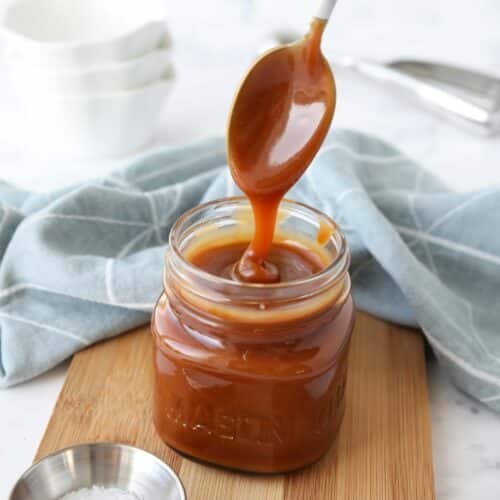
Salted caramel is the perfect balance of sweet, buttery richness and a hint of salt. With its deep amber colour and smooth, glossy texture, this versatile sauce can transform simple desserts into something special. Drizzle it over ice cream, swirl it into brownies, pour it over pancakes or stir it into your favourite coffee.
The best part? You can make homemade salted caramel with just four basic ingredients. No special equipment or complicated techniques are required—just a little patience and attention to the sugar as it melts.
Why You’ll Love This Salted Caramel Recipe
-
Simple ingredients: You need only sugar, butter, cream and salt.
-
Rich flavour: Caramelised sugar creates a deep, toasted sweetness.
-
Versatile: Use it for cakes, cookies, ice cream, coffee and more.
-
Make-ahead friendly: Prepare a batch and keep it refrigerated for future desserts.
Ingredients for Salted Caramel Sauce
Preparation time: 5 minutes
Cooking time: 10–15 minutes
Total time: 15–20 minutes
Yield: Approximately 1 cup
-
200 g granulated white sugar (1 cup)
-
85 g unsalted butter, cut into cubes (6 tablespoons)
-
120 ml heavy cream, preferably at room temperature (½ cup)
-
½–1 teaspoon fine sea salt, adjusted to taste
Optional: ½ teaspoon vanilla extract for extra flavour.
How to Make Salted Caramel Sauce
Step 1: Melt the sugar
Add the sugar to a medium, heavy-bottomed saucepan and heat over medium heat. As the sugar begins to melt, stir gently with a heat-resistant spatula or whisk. The sugar may form clumps before melting into a smooth liquid.
Continue cooking until the sugar turns a deep amber colour. Watch it carefully, as caramel can burn quickly once it reaches this stage.
Step 2: Add the butter
Reduce the heat to low and carefully add the butter. The mixture will bubble vigorously, so keep your hands and face away from the pan.
Stir until the butter has melted and combined with the caramel. If the mixture separates slightly, continue stirring until it comes together.
Step 3: Pour in the cream
Slowly add the cream while stirring continuously. The mixture will bubble and release steam, which is normal. Adding room-temperature cream helps reduce the temperature difference.
Stir until the sauce becomes smooth. If any caramel hardens into small pieces, continue heating gently until they dissolve.
Step 4: Add the salt
Remove the saucepan from the heat and stir in ½ teaspoon of salt. Taste once the sauce has cooled slightly, then add more salt if you prefer a stronger salty flavour.
Add the vanilla extract at this stage if using.
Step 5: Cool and store
Allow the sauce to cool in the saucepan for a few minutes before transferring it to a clean, heat-safe glass jar. It will thicken as it cools.
Your homemade salted caramel sauce is now ready to use.
Tips for Perfect Salted Caramel
Use a heavy-bottomed saucepan. It distributes heat more evenly and reduces the risk of burning the sugar.
Keep the heat controlled. Medium heat is usually sufficient. Avoid rushing the process by turning the heat too high.
Choose the right salt. Fine sea salt dissolves easily, while flaky sea salt can provide a pleasant finishing crunch. If using table salt, start with a smaller amount.
Be careful when adding butter and cream. The caramel becomes extremely hot and can splatter. Add both ingredients slowly and keep your hands clear of the pan.
Don’t worry about temporary lumps. Hardened caramel can soften again with gentle heating and continuous stirring.
How to Use Salted Caramel Sauce
Homemade salted caramel is useful in far more than just desserts. Try it in these ways:
-
Drizzle it over vanilla ice cream or brownies.
-
Use it as a filling for cakes, cupcakes and sandwich cookies.
-
Pour it over pancakes, waffles or French toast.
-
Stir a spoonful into coffee, hot chocolate or a milkshake.
-
Spread a thin layer over cheesecake or apple tart.
-
Combine it with melted chocolate for a rich dessert topping.
How to Store Homemade Salted Caramel
Store the cooled sauce in an airtight container in the refrigerator for up to 2 weeks, provided it is handled with clean utensils and kept properly chilled.
The sauce will become thicker when cold. To restore its pourable consistency, warm a small portion gently in the microwave in short intervals or in a saucepan over low heat. Stir before serving, and avoid overheating.
For longer storage, freezing may be possible, although the texture can change slightly after thawing. Thaw it in the refrigerator and stir thoroughly before use.
Common Salted Caramel Problems and Solutions
| Problem | What to do |
|---|---|
| Sugar forms hard lumps | Continue heating gently while stirring until the lumps dissolve. |
| Caramel tastes bitter | The sugar has probably burned. Start again with fresh sugar. |
| Sauce looks separated | Remove it from the heat and whisk carefully until smooth. Gentle reheating may help. |
| Sauce is too thick | Warm it gently. It naturally thickens as it cools. |
| Sauce is too salty | Make another small batch without salt and combine the two. |
Frequently Asked Questions
Can I make salted caramel without heavy cream?
Heavy cream gives the sauce its characteristic richness and texture. Substitutions such as lower-fat cream may produce a thinner or less stable sauce, so heavy cream is the most reliable choice.
Can I use salted butter?
Yes. If you use salted butter, begin with a smaller amount of additional salt and adjust to taste.
Why is my salted caramel sauce bitter?
Sugar that has cooked beyond a deep amber colour can taste burnt and bitter. Remove the caramel from the heat as soon as it reaches the right colour.
Can I make salted caramel ahead of time?
Yes. Prepare it in advance, cool it and refrigerate it in an airtight container. Warm it gently before serving.
Final Thoughts
Homemade salted caramel sauce is a simple recipe that delivers impressive results. Once you master the process of melting sugar and combining it with butter and cream, you can create a versatile topping for countless sweet treats. Adjust the salt to your preference, experiment with different desserts and keep a jar ready whenever a little extra indulgence is needed.
Take Your Cooking Further
Great recipes start with good ingredients, but the right tools can make preparation easier and more consistent. From reliable saucepans that distribute heat evenly to heat-resistant spatulas and whisks that help you achieve a smooth caramel, choosing suitable kitchen gear can make a real difference.
Visit our Cooking Gear Guides page to explore practical buying advice, discover useful kitchen tools and find equipment that suits your cooking style. Whether you’re making homemade sauces or preparing elaborate desserts, the right equipment can help you get more out of every recipe.